June 9, 2026Anthropic Launches Claude Fable 5 with Runtime Fallback Safeguards and Mandat...

GOVERNANCE & SECURITY

The EU AI Act deadline moved. The accountability work did not.

High-risk AI system obligations under Annex III now point to 2 December 2027 (revised from August 2, 2026 under the EU Digital Omnibus on AI, provisional agreement reached May 7, 2026, pending formal adoption). Article 50 transparency requirements still apply from August 2, 2026. Organizations that deploy Microsoft 365 Copilot or AI agents in EU environments are subject to the Act as deployers. Over half have no AI inventory, which means they cannot classify their systems, cannot assess compliance gaps, and cannot document the accountability chains that regulators will ask to see. This research covers what the frameworks require and where to start.

Research Area7 topicsGovernance & Security

THE REGULATORY LANDSCAPE

Three things that make AI compliance different from what most compliance teams have handled before

The frameworks are not theoretical. The deadlines are active, revised, and staggered. The gaps most organizations carry into the 2026 and 2027 compliance window are not technical - they are organizational.

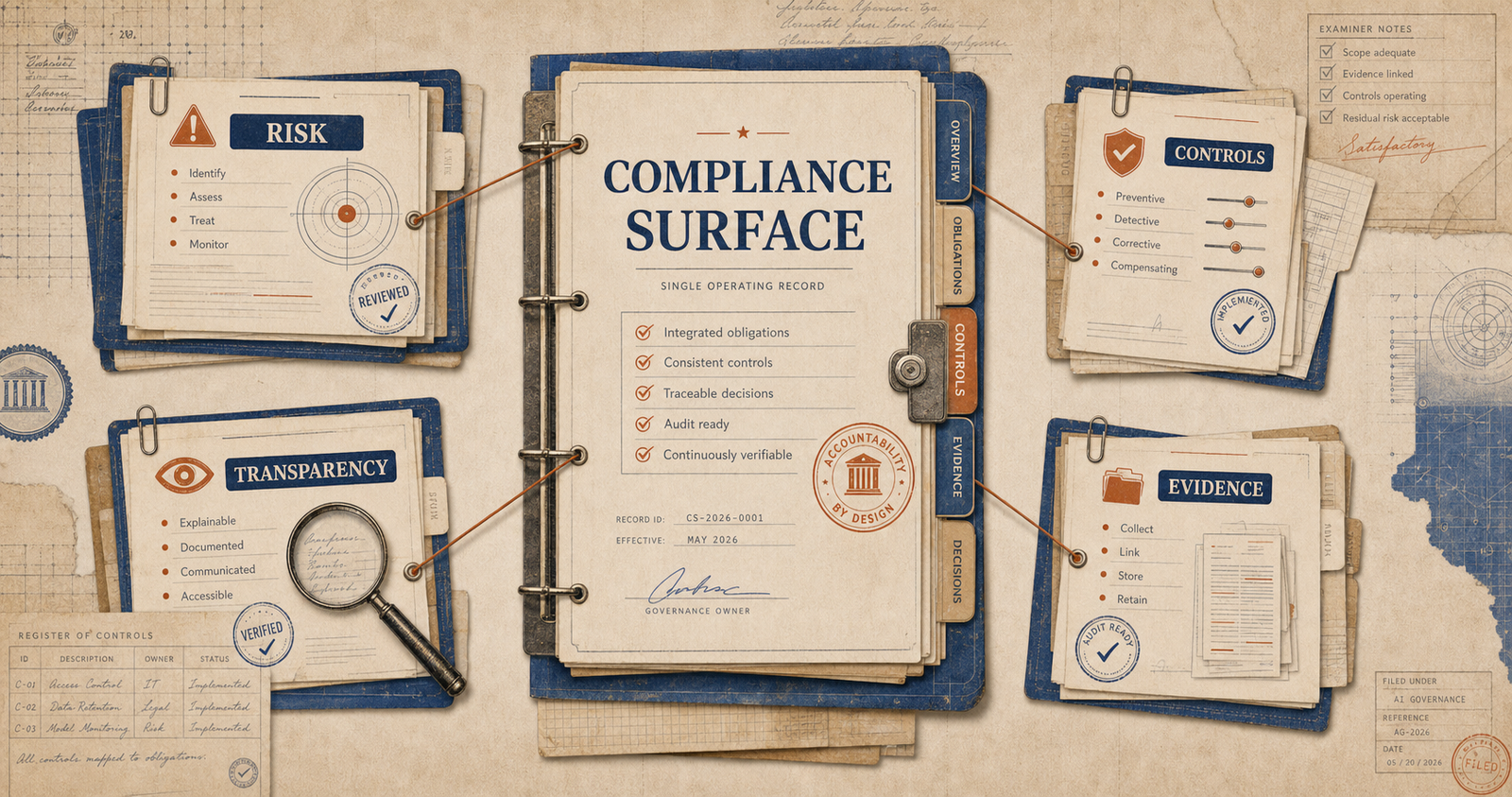
Abstract regulatory landscape image showing overlapping jurisdictions converging on one compliance point.
Active challenge
Tap a challenge card to update this panel
Item 1 of 4

The EU AI Act is already partially in force

Prohibited AI practices have been enforceable since February 2, 2025. General-purpose AI model obligations - which cover the foundation models underlying Microsoft 365 Copilot - became applicable August 2, 2025. Annex III high-risk AI system obligations now point to 2 December 2027 (revised from August 2, 2026 under the EU Digital Omnibus on AI, provisional agreement reached May 7, 2026, pending formal adoption). Article 50 transparency requirements for new generative AI systems still apply from August 2, 2026. This is a staged regulation that is already active for part of the stack most organizations are deploying.

WHAT THE FRAMEWORKS REQUIRE

The five categories of obligation that appear across EU AI Act, NIST AI RMF, and ISO 42001

Different frameworks use different vocabulary. The underlying organizational requirements converge on the same five categories. An organization that has addressed all five has a defensible compliance posture regardless of which framework an examiner applies.

Active requirement
Tap a requirement card to update this panel
Item 1 of 5

Inventory and risk classification

Know what AI systems exist in the organization, who owns them, and what decisions they influence. Classify each system by risk level - not by instinct but by the criteria the applicable framework specifies. For the EU AI Act, high-risk classification covers AI used in employment, credit decisions, education, and law enforcement. For Microsoft 365 environments, Copilot-assisted hiring screening or automated performance monitoring may fall within scope.

WHERE MOST ORGANIZATIONS STAND

The four gaps that appear in almost every enterprise AI compliance assessment

These are not speculative risks. They are the consistent findings from organizations that have run structured AI compliance assessments against the frameworks applicable to their environments.

Active finding
Tap a finding card to update this panel
Item 1 of 4

No AI inventory

The starting condition in most organizations is the same: no systematic record of what AI systems exist, who owns them, what data they process, and what decisions they influence. Copilot seats are provisioned, Power Automate flows with AI Builder components run in production, and third-party AI tools connect through approved connectors - all without appearing on any governance register. The inventory gap makes every downstream compliance requirement impossible to address systematically.

  • Identify all Microsoft 365 Copilot deployments, Copilot Studio agents, and Power Platform AI components
  • Catalog third-party AI tools connected through Microsoft Foundry or approved connectors
  • Document what data each system accesses, what decisions it influences, and who is accountable for its behavior
  • Classify each system against EU AI Act risk tiers: prohibited, high-risk, limited risk, minimal risk

THE APPLICABLE FRAMEWORKS

What each framework covers and who it applies to

These frameworks are not alternatives to each other. Most regulated organizations operating AI in 2026 are subject to more than one simultaneously.

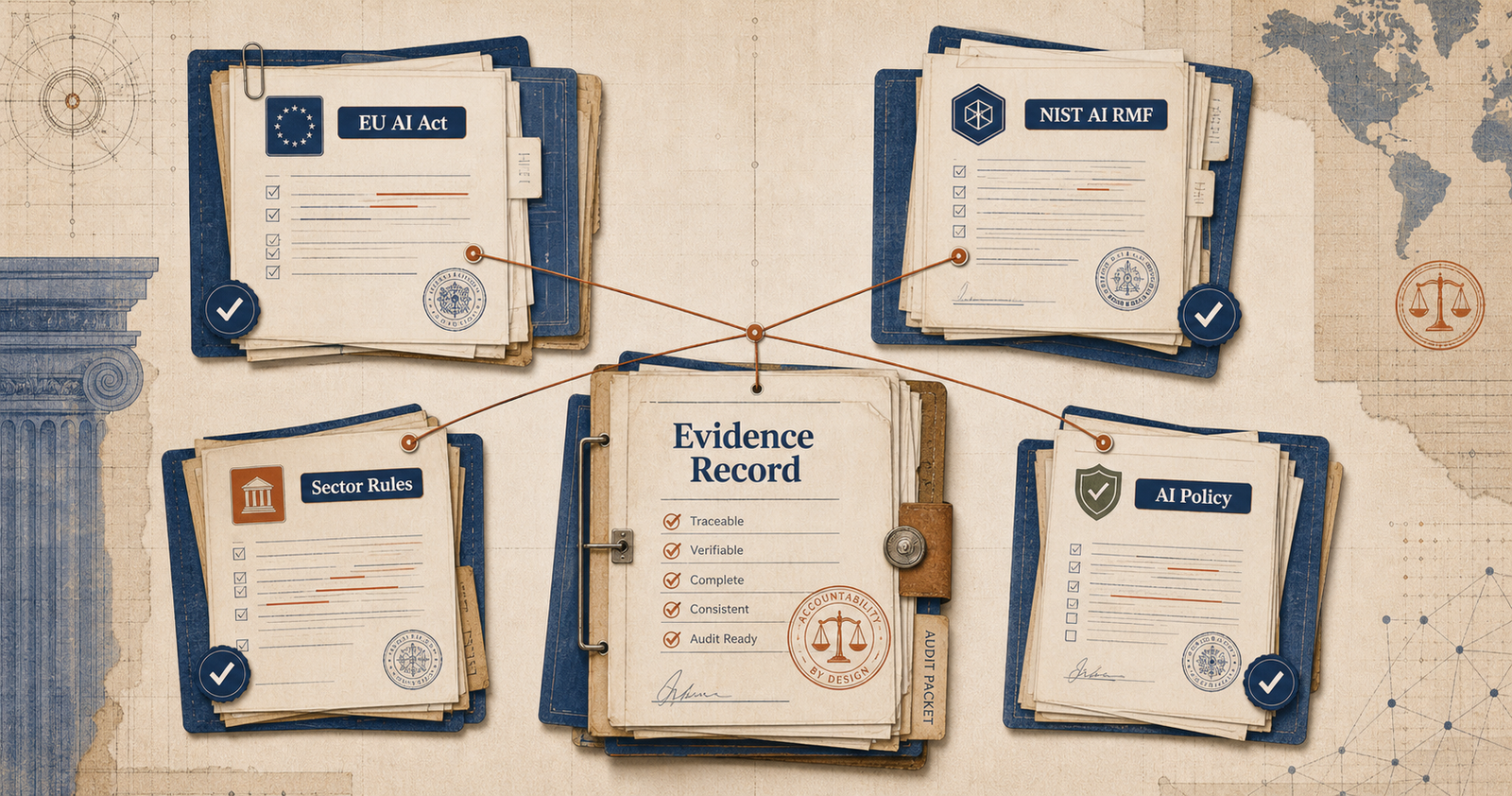
Abstract compliance architecture image showing multiple framework layers forming one surface.
Active framework
Tap a framework card to update this panel
Item 1 of 7

EU AI Act

High-risk AI system enforcement (Annex III) delayed to December 2, 2027 under the EU Digital Omnibus on AI, provisional agreement May 7, 2026, pending formal adoption. Article 50 transparency requirements for new generative AI systems still apply from August 2, 2026. Prohibited practices remain enforceable since February 2, 2025. Applies to any organization operating in or serving the EU market, regardless of where the organization is headquartered. Penalties reach 35 million euros or 7 percent of global annual turnover for the most serious violations. Microsoft Purview Compliance Manager includes an EU AI Act assessment template now generally available.

TIMING AND PRIORITY

Who needs to act now and what acting looks like

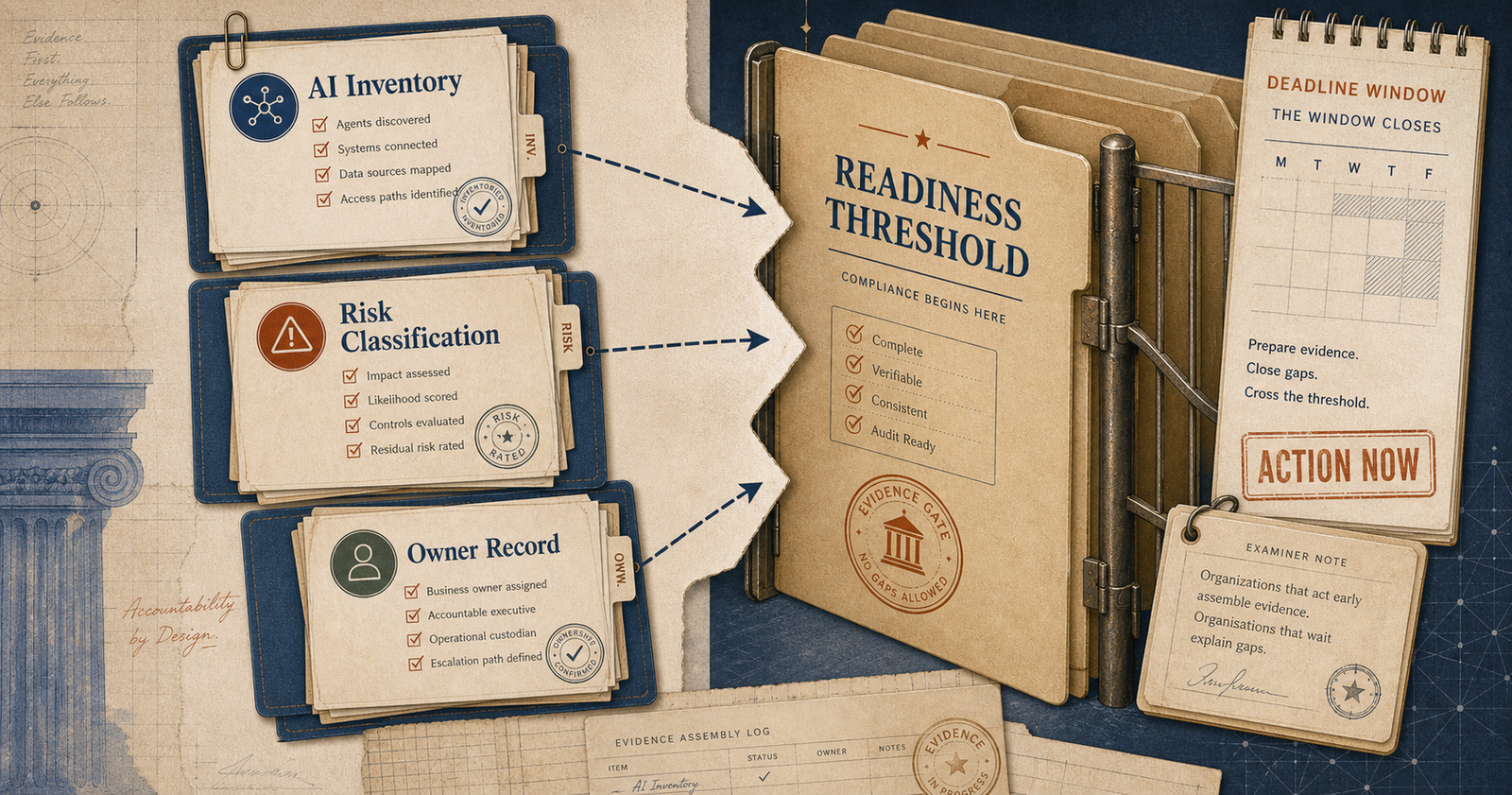
Abstract urgency image showing a narrow threshold before it closes.

Organizations that need to act now

  • Any organization that deploys Microsoft 365 Copilot or AI agents for users in EU member states - you are a deployer under the EU AI Act regardless of where your organization is headquartered
  • Any organization that uses AI to influence employment, credit, education, or law enforcement decisions - these are the Annex III high-risk categories now aligned to 2 December 2027 (revised from August 2, 2026 under the EU Digital Omnibus on AI, provisional agreement reached May 7, 2026, pending formal adoption)
  • Any organization subject to CFTC, SEC, FINRA, or ONC/CMS oversight that has deployed AI in regulated workflows without updating their governance documentation
  • Any organization that completed an AI compliance assessment before August 2025 and has not revisited it since - GPAI obligations changed the landscape materially in August 2025
  • Any organization that is evaluating the Microsoft 365 E7 suite or Agent 365 for May 2026 deployment without first assessing the compliance implications of expanding their agent footprint
  • Note: On May 7, 2026, EU lawmakers reached a provisional agreement under the Digital Omnibus on AI to delay Annex III high-risk AI system obligations from August 2, 2026 to December 2, 2027. Article 50 transparency requirements for new generative AI systems still apply from August 2, 2026. The provisional agreement is pending formal adoption — organizations should document their compliance position against both the original and revised timeline.
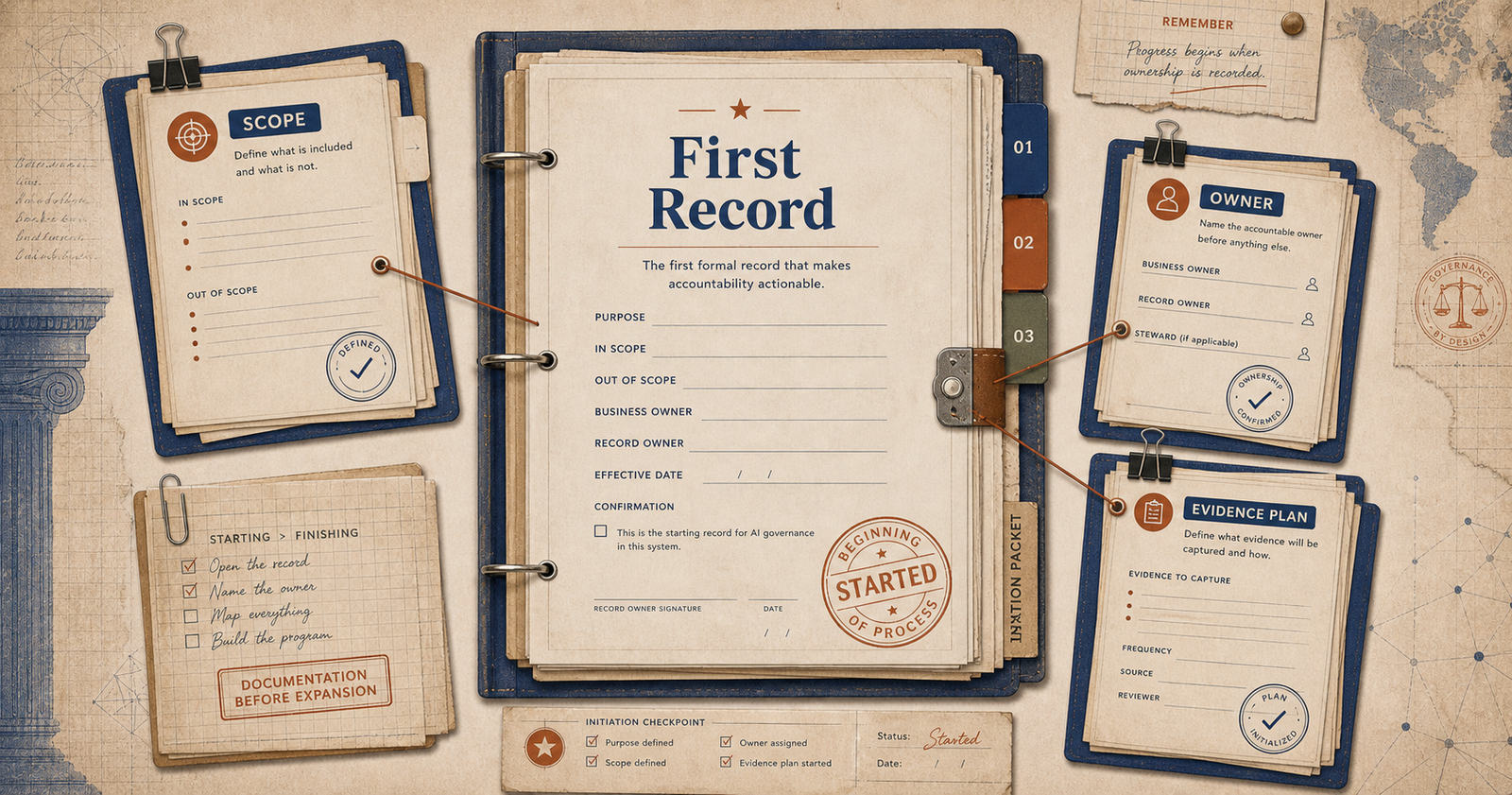
Abstract governance image showing the first documented step in a compliance process.

What 'starting' actually means at this stage

  • An AI inventory is the first deliverable - not a compliance assessment, not a gap analysis. You cannot classify what you cannot see
  • Risk classification using EU AI Act Annex III criteria is the second step - applied by the framework's criteria, not organizational judgment
  • Microsoft Purview Compliance Manager's EU AI Act, NIST AI RMF, and ISO 42001 assessment templates provide structured starting points for documentation work
  • Colorado AI Act (SB 24-205): On April 27, 2026, a federal court paused enforcement pending litigation and rulemaking completion. Enforcement will not begin on June 30, 2026. The statute remains law — the underlying compliance obligations are unchanged — but the enforcement start date is now indeterminate. Organizations with US operations should continue compliance work and monitor the litigation outcome.
  • The conformity assessment process for high-risk systems takes six to twelve months. The provisional EU Digital Omnibus on AI (May 7, 2026) delays Annex III high-risk obligations to December 2, 2027. Organizations that have not started now have additional time — but Article 50 transparency requirements still apply from August 2, 2026. Document your compliance position against both timelines.

FREQUENTLY ASKED

What compliance officers and CISOs ask when they start this work

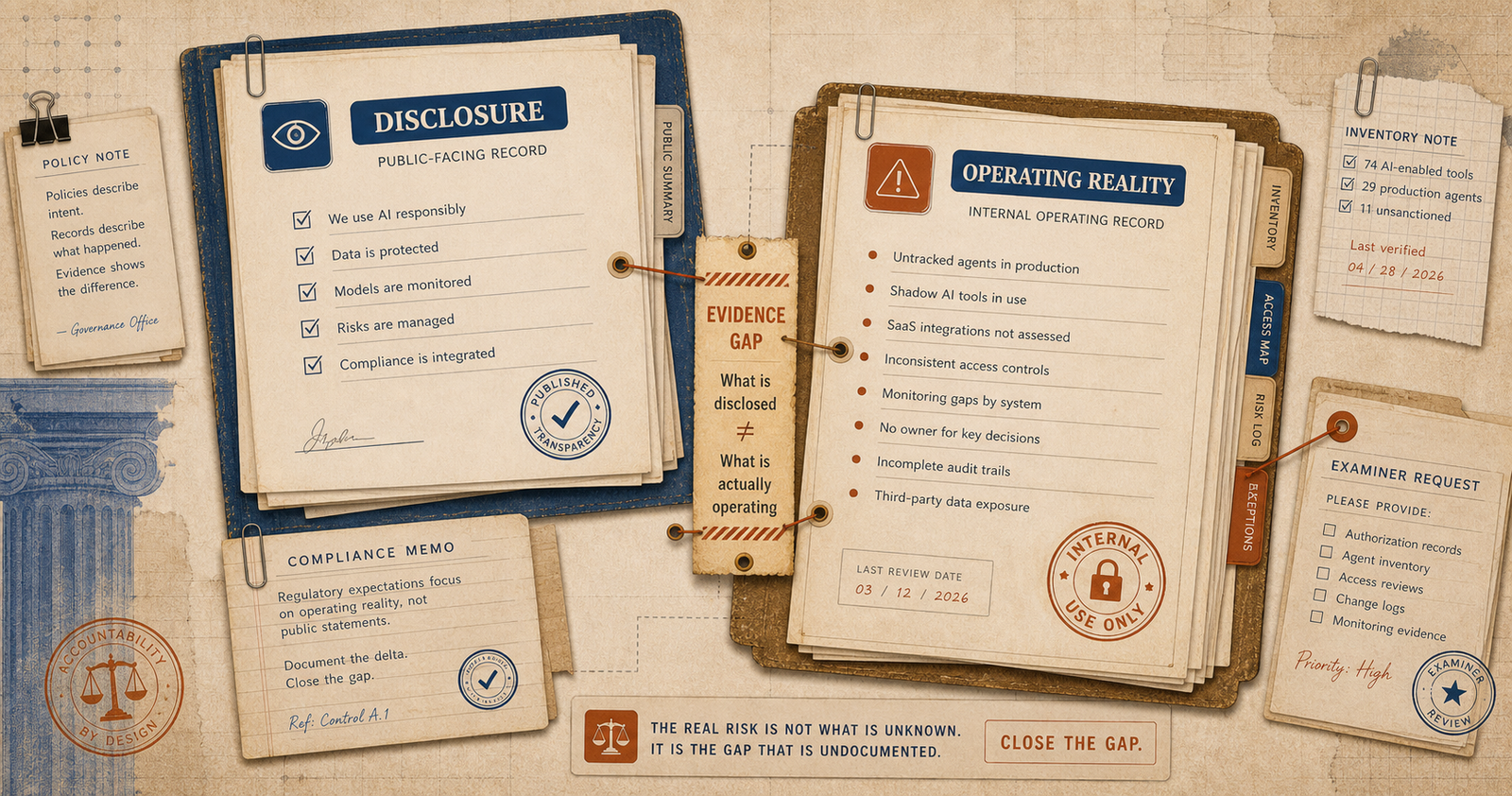
Abstract disclosure image showing two operating records slightly out of alignment.

FURTHER READING

The EU Digital Omnibus on AI (May 7, 2026) delays Annex III high-risk AI obligations to December 2, 2027. Article 50 transparency requirements still apply from August 2, 2026. The compliance work remains the same — only the deadline moved.

The Governance Gap covers enterprise AI governance on the Microsoft stack, including how the EU AI Act, NIST AI RMF, and Colorado AI Act apply to organizations deploying Copilot and agents in regulated environments. New editions publish every Tuesday.

Built on verified regulatory and Microsoft documentation
Written from 12 years inside federal regulatory environments
Updated as regulations and the Microsoft platform evolve